MARANGU ROTE
Route Overview tips and About it
MARANGU ROUTE
The Secret of Marangu route
Marangu is often called the “Coca-Cola Route” because, historically, it was the only route where you could buy soft drinks at the huts. It’s known for being the only route that offers sleeping huts (not tents) and is often marketed as the “easiest” path due to its gentler gradient and shorter duration.
Hut Accommodation:
Sleep in shared dormitory-style huts with basic beds and mattresses. This means no camping, more protection from the elements, and less gear to carry.
Shorter & Less Expensive
The 5-day option is the shortest and generally cheapest route on the mountain.
Gentler Gradient:
The ascent profile is more consistent and less steep than other routes.
Unique Descent
You descend via the same path, offering a different perspective and the chance to see what you missed at night.
Over view of Marangu Route
Marangu is often called the “Coca-Cola Route” because, historically, it was the only route where you could buy soft drinks at the huts. It’s known for being the only route that offers sleeping huts (not tents) and is often marketed as the “easiest” path due to its gentler gradient and shorter duration.
Key Statics & awesomeamazingimpressiveFacts
Permanent Sleeping Huts
What it means: You sleep in shared, dormitory-style huts with basic bunk beds and mattresses at every camp. This is the only route on Kilimanjaro that does not require camping.
The Huts:
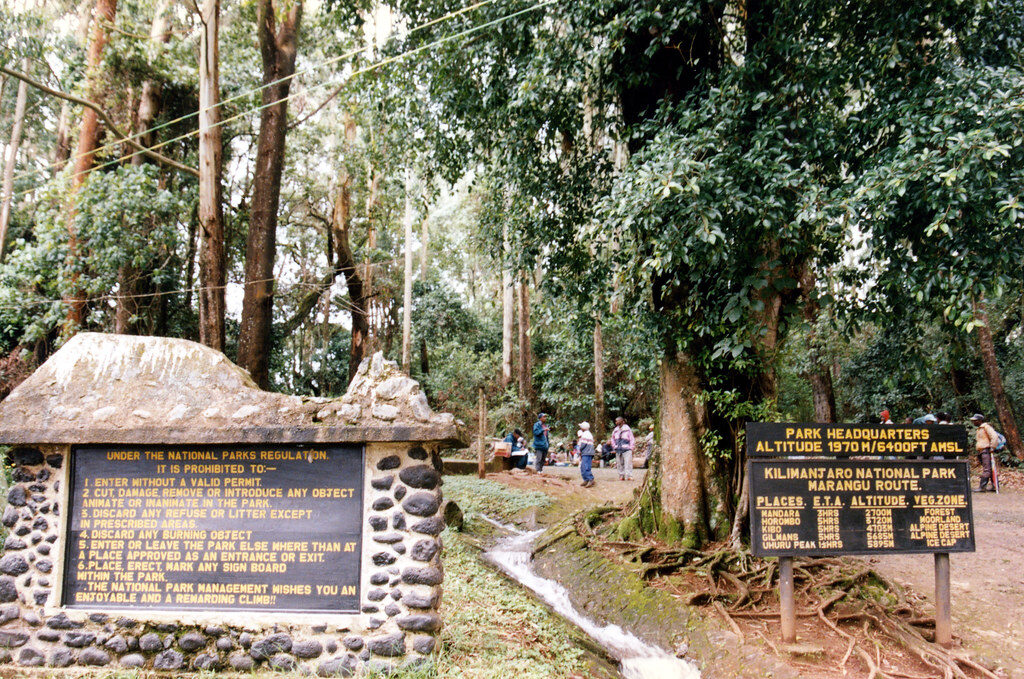
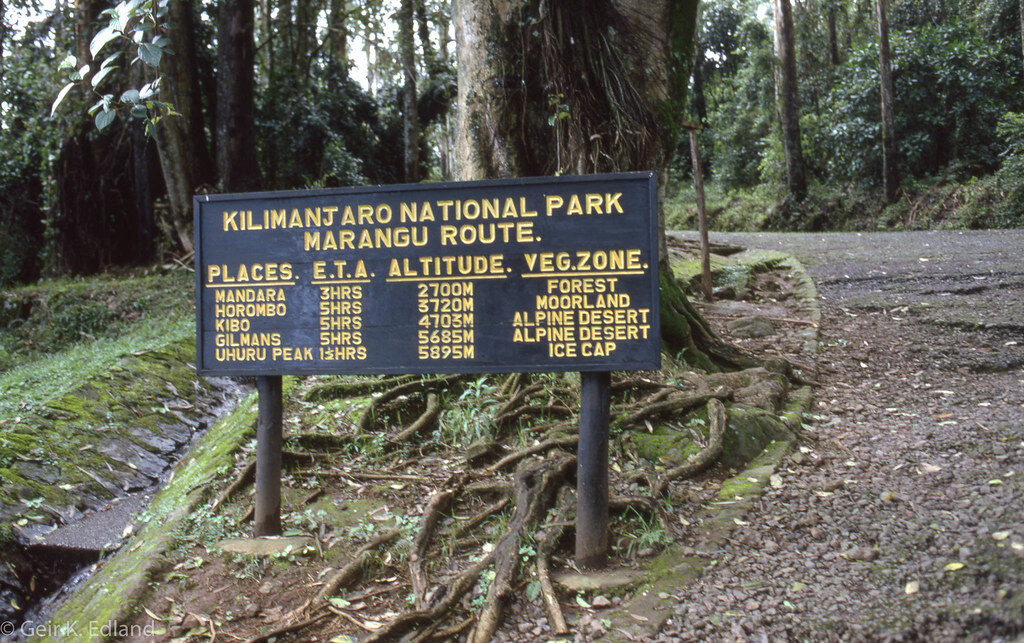
Mandara Hut (2,720m): A-frame huts nestled in the rainforest.
Horombo Hut (3,720m): A larger complex in the moorland, acting as the central acclimatization point.
Kibo Hut (4,703m): Spartan stone huts in the alpine desert, used as the base for summit night.
Popular Name: “Coca-Cola Route”
Origin: In the 1970s and 80s, this was the only route where you could buy bottled soft drinks like Coca-Cola at the huts, a luxury in the remote mountains.
Modern Context: The name persists as a historical nickname and marketing term, often implying it’s the “easier” route (a potentially misleading notion).
Coca-Cola Route
The Marangu Route is a valid path to the summit with a unique hut experience, but its “easiest” label is a myth. Its reputation for lower success rates is directly tied to the poor 5-day itinerary. If you choose Marangu, you must choose the 6-day option for a safe and successful climb.
Duration: 5 Days vs. 6 Days (The Critical Choice)
This is the single most important decision for your safety and success.
5-Day Itinerary: “Climb High, Sleep High.”
Profile: Goes from Horombo Hut (3,720m) straight to Kibo Hut (4,703m) with no acclimatization day.
Reality: It rushes the ascent, offering poor acclimatization.
Success rates are low (~50-65%), and the risk of Acute Mountain Sickness (AMS) is significantly higher. Not recommended by any reputable guide.
6-Day Itinerary: “Climb High, Sleep Low.”
Profile: Adds a vital acclimatization day at Horombo Hut, including a day hike to ~4,200m before returning to sleep at 3,720m.
Reality: This allows your body to adapt. Success rates jump dramatically (~85-90%), and the experience is safer and more enjoyable. This is the only recommended way to climb Marangu.
Trail Type: Out-and-Back
What it means: You ascend and descend on the exact same path.
Implications:
Pros: Logistically simpler for operators. The descent is familiar and often quicker. You get a second perspective on the landscapes you passed at night (like the summit area).
Cons: Less scenic variety compared to loop routes (like Machame or Lemosho). The return journey can feel repetitive. You will encounter ascending climbers on your way down.
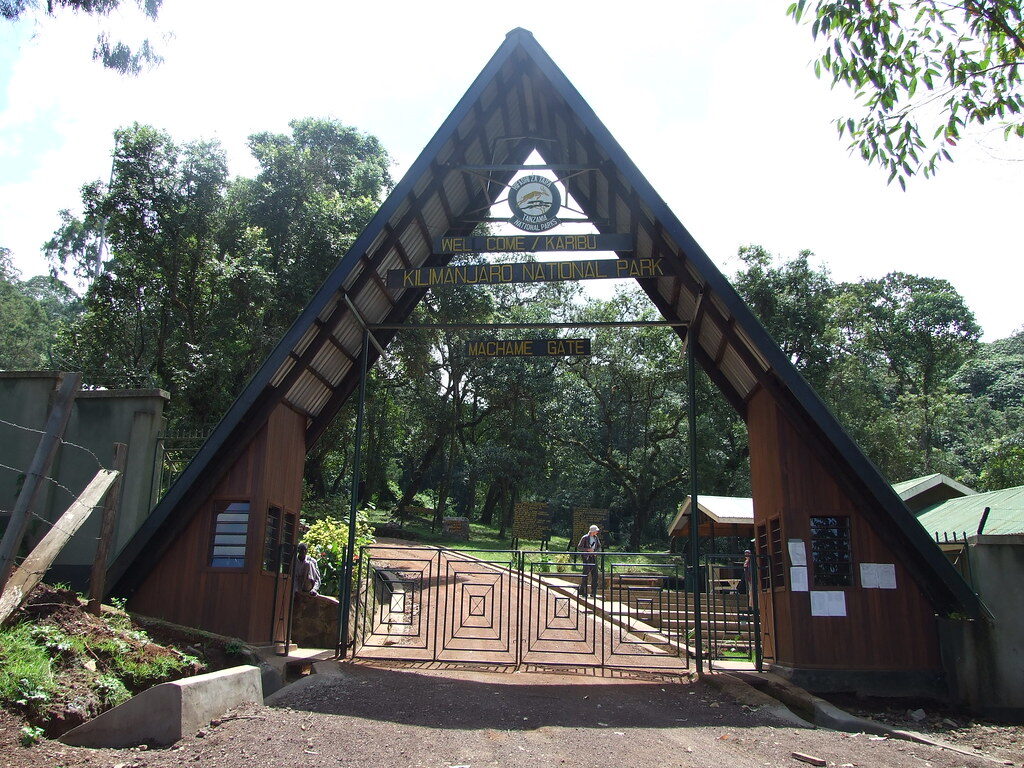
Start/End Point: Marangu Gate (South-East Side)
Location: The gate is on the southeastern slopes of the mountain, near the town of Marangu.
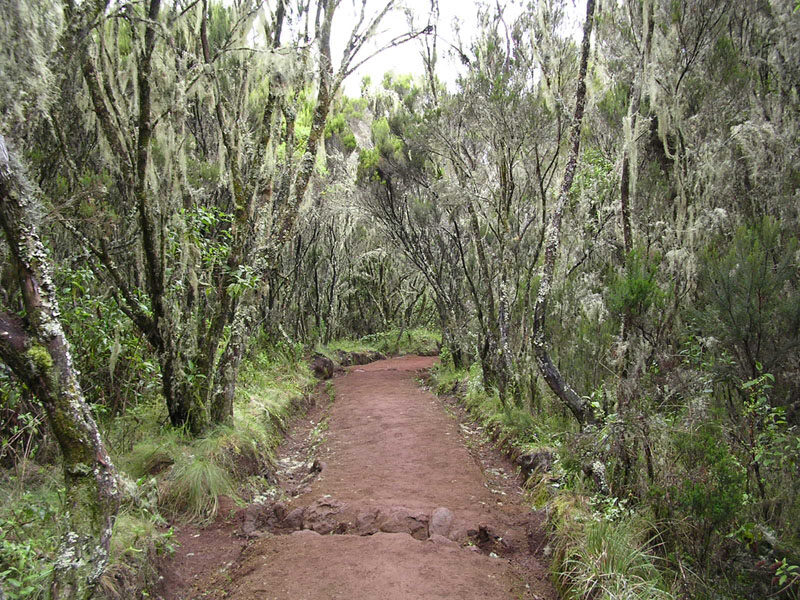
Climate: This side receives more moisture from the Indian Ocean, meaning the initial rainforest section is particularly lush and green.
Journey: The trail starts immediately in dense montane rainforest, offering a classic, iconic Kilimanjaro entrance.
Most Recommended Packages
The Marangu Route is a valid path to the summit with a unique hut experience, but its “easiest” label is a myth. Its reputation for lower success rates is directly tied to the poor 5-day itinerary. If you choose Marangu, you must choose the 6-day option for a safe and successful climb.
Frequently Asked Questions About Marangu Route
Here are the most common questions climbers have, answered in detail.
What is the biggest difference between the 5-day and 6-day itineraries?
The 6-day option includes a full acclimatization day at Horombo Hut (3,720m). This involves a day hike to a higher elevation before returning to sleep lower, which is critical for your body to adjust to altitude. This single extra day typically more than doubles the summit success rate
What are the huts and facilities actually like?
Huts are basic wooden A-frames with bunk beds. Mandara and Horombo Huts have running water and flush toilets; Kibo Hut does not Showers (cold water) are only available at the lower huts They provide shelter from wind/rain but can be crowded and noisy.
How difficult is the hike itself?
The terrain is not technically difficult, with a steady, well-trodden path. However, the altitude makes it very strenuous. Many climbers report summit day, which involves a night ascent on steep scree and a 15+ hour effort, as one of the hardest things they’ve done
What is the best time to climb?
The best (and driest) seasons are January to mid-March and late June to October, July-September is busiest. Marangu’s huts offer better shelter during the rainy seasons (April-May, November), but trails will be muddy